IN THE NEWS — Enlit World
Battery degradation is rewriting BESS economics
.jpg?width=1200&height=899&name=adobestock-1114271074%20(1).jpg)
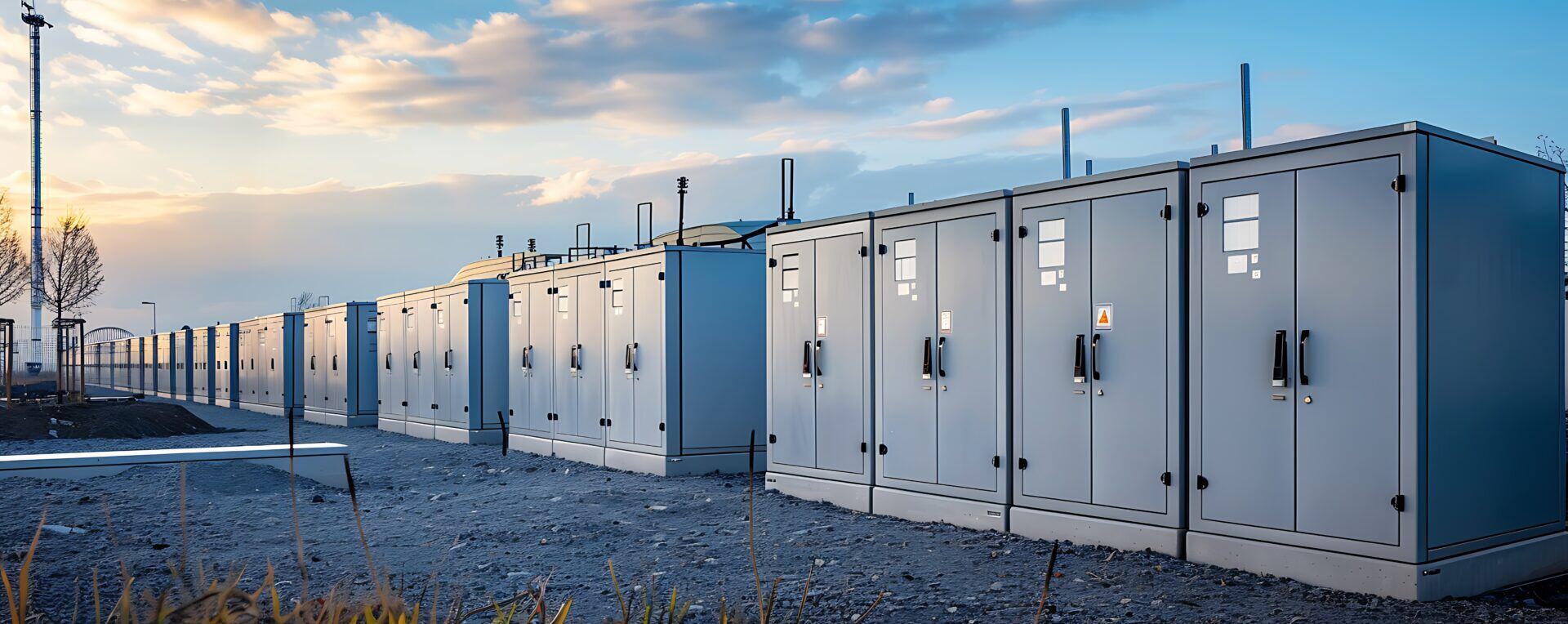
European IPPs and utilities underwrote their first utility-scale battery projects assuming a 15-year asset life, the same planning horizon used for wind turbines. Field data from operators running BESS at scale is now pointing to a much shorter number: five years.
In an article for Enlit World, Power Factors' VP of Innovation Abilash Krishnan breaks down why that gap opened up, and what operators need to do differently on both existing fleets and new builds.
Key takeaways:
-
Multi-market revenue stacking (capacity markets, frequency response, arbitrage) rewards aggressive cycling, but the original financial models underweighted the wear cost of running cells that hard.
-
BESS assets generate far more granular data than solar or wind, often per-millisecond, cell-level telemetry, and most legacy monitoring stacks weren't built to ingest or interpret it at that resolution.
-
Operators face two open questions: how to manage assets that have already degraded faster than planned, and how to spec new builds (starting with cell-level telemetry) so it doesn't happen again.
-
With the right data resolution, degradation cost becomes a real-time input to cycling decisions; operators can weigh a specific cycle's revenue against its wear cost before running it.
-
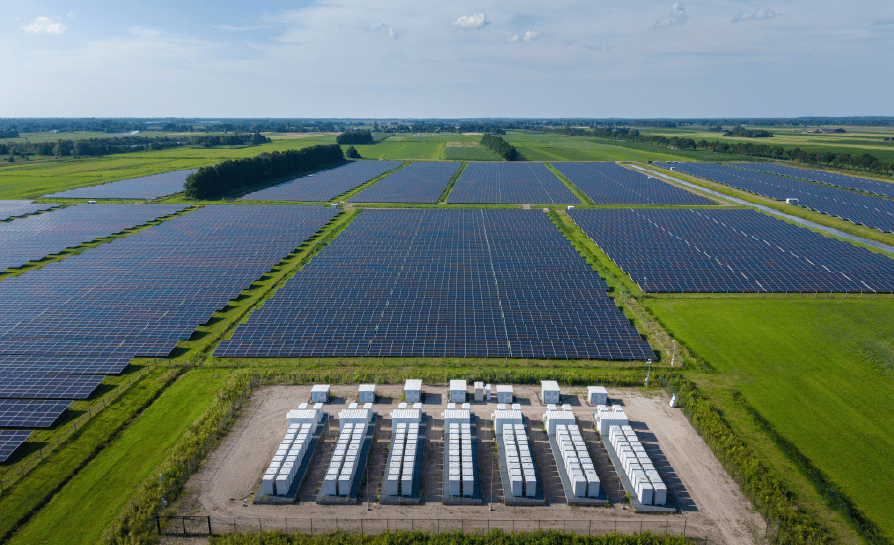
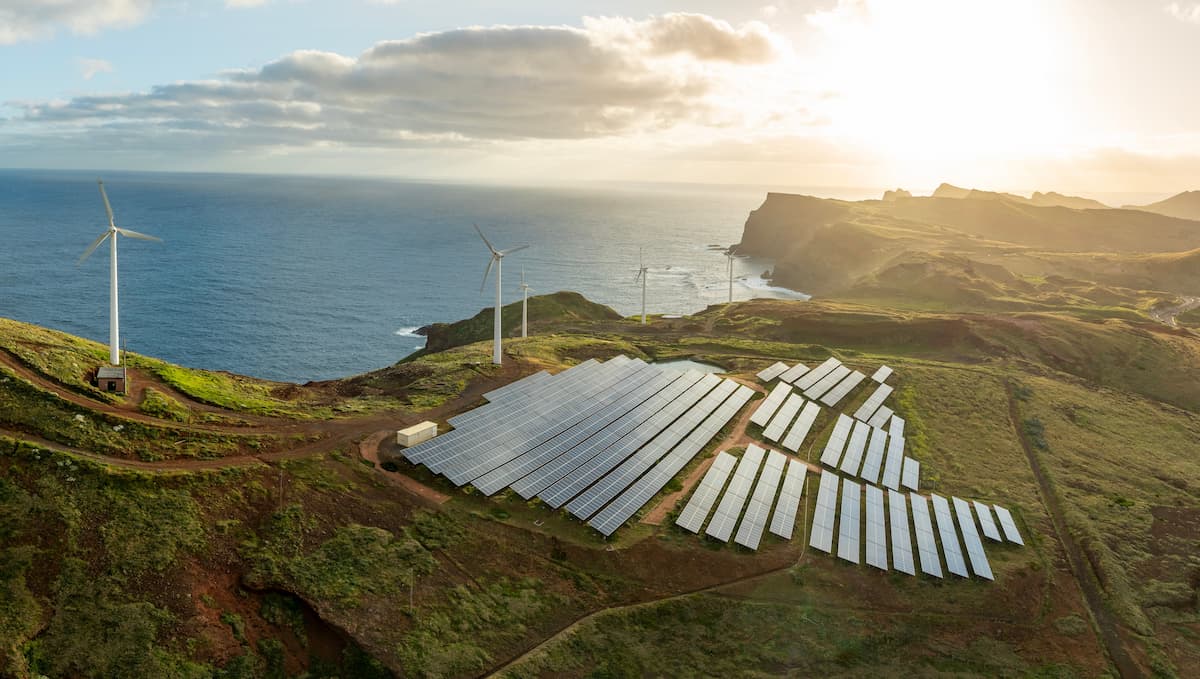
Hybrid solar-plus-storage is becoming the default deployment model in Europe, which means operators increasingly have to manage two different degradation curves and revenue logics inside one interconnection.
Why battery degradation is outpacing financial models
Fifteen years was a reasonable point to call a wind asset old. Five years is emerging as the equivalent marker for batteries, a two-thirds contraction in expected asset life that's reshaping how operators think about every cycle they run. The root issue isn't just operational; it's diagnostic. The data needed to catch early degradation has largely been there all along. Most operators simply haven't had the monitoring resolution to see it before it showed up as a hit to the balance sheet.
That's pushing the industry toward remaining-useful-life analytics and better data retention as table stakes, not nice-to-haves, particularly as hybrid solar-plus-storage retrofits import the five-year question into portfolios that were built around a 25-year solar asset life.
-1.jpg?width=187&height=221&name=blueskysstudio-9437a%20(1)-1.jpg)
About Abilash: Abilash Krishnan is VP of Innovation at Power Factors, where he leads efforts to identify and incubate emerging trends at the intersection of renewable energy, technology, and AI.

Read the full article on Enlit World
End-to-end solutions across the entire renewable asset lifecycle


Optimize assets, maximize revenue, and grow your portfolio with Unity