IN THE NEWS — Energy Global
Grid resilience, not scale, is renewables' next test
As featured in Energy Global | Power Factors perspective from Ricardo Wigman, Chief Delivery Officer
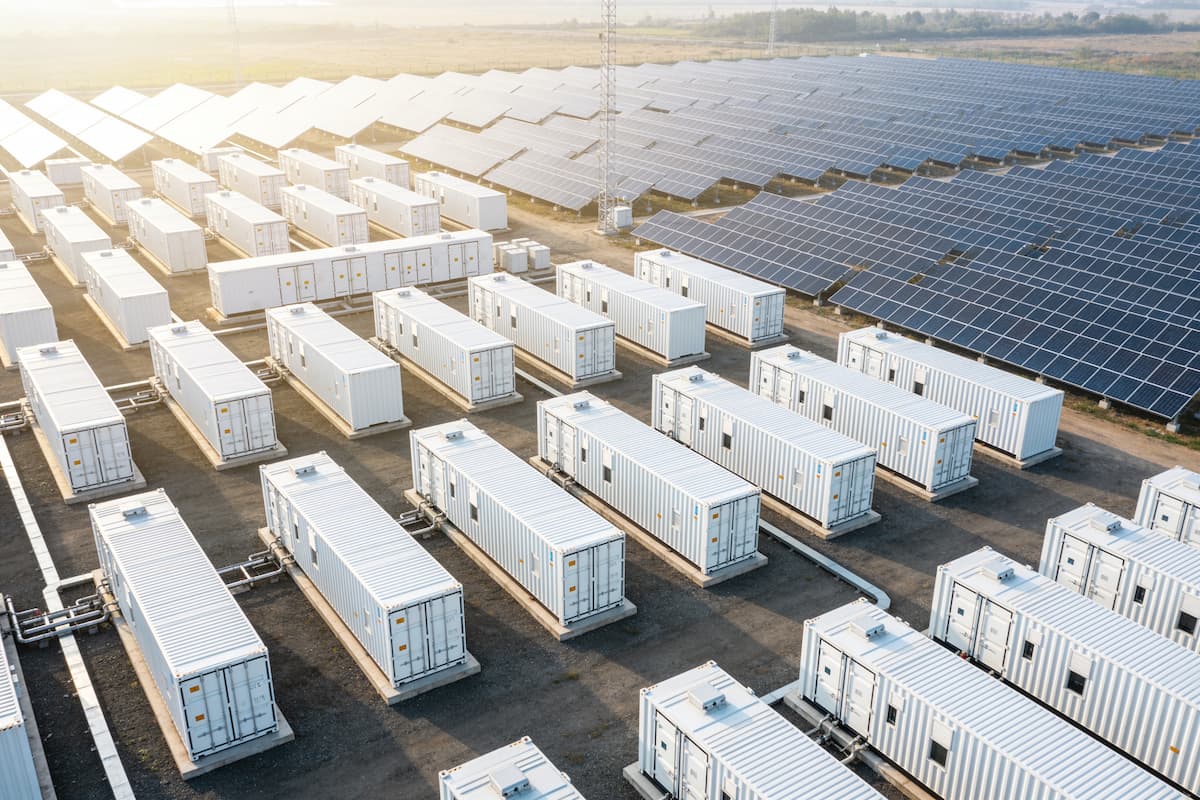
For most of the last decade, the renewable energy industry measured success by volume: more wind, more solar, more storage capacity added to the grid. That race is largely won. The harder problem, now that renewables are approaching a majority share of many grids, is keeping that supply firm and predictable enough for grid operators to rely on it the way they once relied on conventional generation.
In a contributed piece for Energy Global, Power Factors' Chief Delivery Officer Ricardo Wigman argues that the industry's next chapter is less about adding megawatts and more about making the megawatts already installed dispatchable on demand.
Key takeaways
-
Intermittency is starting to show up as a bottom-line problem, not just an engineering one. Spain alone could see uncompensated solar curtailment top 3 TWh (roughly 2.5% of total generation) in 2026 and 2027.
-
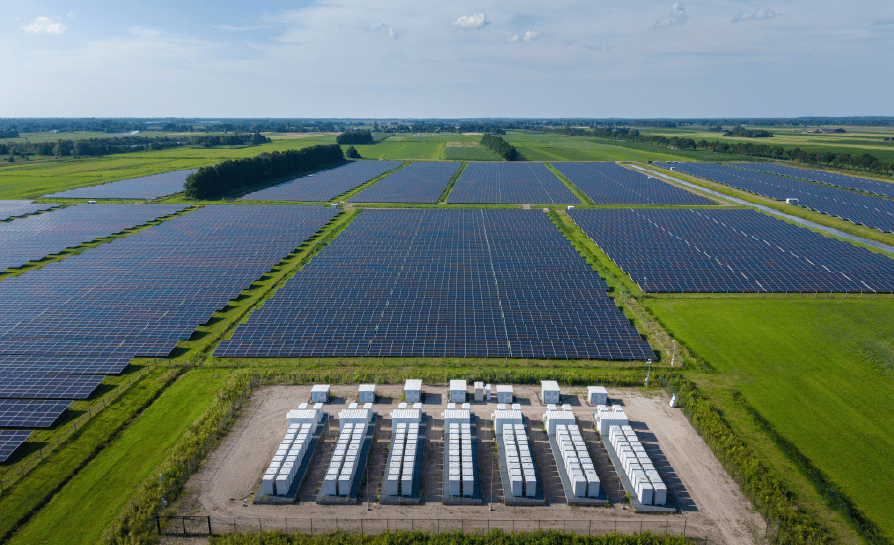
Firm Dispatchable Renewable Energy (FDRE), pairing generation assets with battery storage so a site can guarantee supply on cloudy or still days, is emerging as the benchmark grid operators are asking for, replacing looser standalone-asset targets.
-
Virtual power plants (VPPs), which coordinate geographically separate hybrid sites as a single dispatchable entity, are becoming the practical playbook for meeting firmer supply commitments, a lesson reinforced by the 2025 Iberian blackout, which exposed the limits of co-located but uncoordinated assets.
Why coordination is starting to matter more than capacity
Weather doesn't stop being unpredictable just because a site has batteries attached to it. What's changed is the ability to coordinate generation and storage in real time, responding to market signals and grid conditions rather than running each asset on its own. Hybrid systems can micro-cycle their batteries to arrest small frequency deviations as they happen, helping hold the grid at its nominal 50Hz or 60Hz and reducing the risk of the disturbances, blackouts, and equipment damage that come from letting those deviations compound.
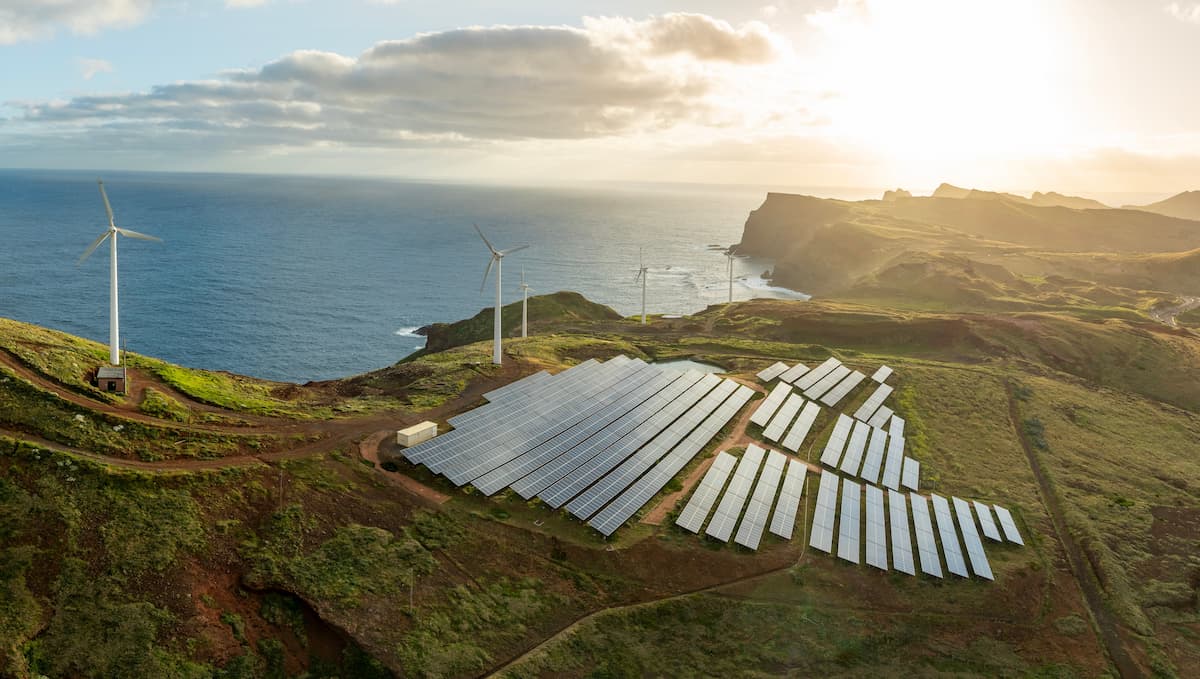
Virtual power plants take that same logic and apply it across sites, not just within one. A shared energy management system can treat solar, wind, and storage assets sitting hundreds of kilometers apart as a single dispatchable unit, balancing output across all of them rather than optimizing each in isolation. Power Factors has a project coming online in 2026 in South Africa that does exactly this: two hybrid sites 900 km apart operating as one VPP, projected to prevent roughly 40 GWh a year from being curtailed. It's an early look at what grid stability at scale is likely to require over the next decade.
.jpg?width=126&height=189&name=110625-210%20(1).jpg)
About Ricardo: Ricardo Wigman is Chief Delivery Officer at Power Factors, where he oversees delivery of the company's renewable energy management technology, including its hybrid asset and virtual power plant solutions.

Read the full article in Energy Global (registration required)
End-to-end solutions across the entire renewable asset lifecycle
.jpg)

.jpg)
Optimize assets, maximize revenue, and grow your portfolio with Unity