In this five-part blog series, "Navigating renewables in 2026,” we explore the challenges operators are facing as the industry enters another year of unprecedented growth and how to stay ahead of the pack.
______________________________________________________________________________________________________________________________________________________________________________________________________________________________________________________________________________________________________________________________________________________________________________________________________________________________________________________________________________________________________________________________________________________________________________________________________________________________________________________
Market conditions in 2026 demand a fundamental shift in how renewable energy operators manage their portfolios.
Even with renewables set to take the lead as the largest supplier of electricity, creating an inflection point of opportunity, major challenges such as scale complexity, margin squeeze, the deluge of data, and compliance pressures will persist.
If 2026 is the turning point for renewables, it’s also the year to take action. Now is the time to capitalize on the opportunity.
The market headwinds we’re facing are no longer abstract—they’re clear and measurable. Global electricity demand is expected to grow 3.7% this year, among the highest rates in a decade, but incentives are also sunsetting, and investments are shifting. Market volatility is impacting revenue and profitability in real time.
If you’re feeling the squeeze, you’re not alone. Operators are under pressure to deliver more power and flexibility from existing assets. Yet most are trying to keep up with O&M tools that, frankly, aren’t up to the task.
As returns tighten, even 98% availability is no longer enough. Renewable portfolio optimization is now non-negotiable, and those who can leverage advanced solutions and agile strategies to achieve peak performance will win.
Why is optimization the first priority for renewable operators in 2026?
Optimizing existing assets is the first place to start because it’s the fastest and most controllable way for operators to protect and improve portfolio performance. Instead of adding more capacity, ask yourself: “What if I could extract more yield from what I already own?”
The math is compelling: squeezing just 1-2% more yield from existing wind and solar assets can translate into meaningful grid-scale megawatts you can monetize. No new development risk, permitting delays, or capital deployment.
Even as global demand continues to rise, local markets are sending mixed messages. Germany, the Netherlands, and Spain spent nearly 10% of the first half of 2025 in negative pricing — a result of short-term oversupply, congestion, and inflexible generation. In these volatile conditions, operators who can systematically close performance gaps and respond quickly to changing conditions will have a clear advantage.
That’s why savvy operators are building centralized performance teams and investing in renewable energy analytics tools to spot optimization opportunities. When margins are tight, every watt lost, every avoidable outage, and every sensor drift matters.
Do your tools have what it takes to find and fix those leaks?
.jpg?width=1200&height=800&name=AdobeStock_472370346%20(1).jpg)
Performance optimization: The new baseline
In real-time markets, you don’t have time for reactive or siloed O&M. You’re not just producing energy—you also have to actively manage when and how you sell it and adapt dispatch strategies hourly to capture maximum value. Even the smallest underperforming component can quietly drag down returns.
Advanced analytics expose those performance leaks before they erode returns. For example:
- Real-time asset monitoring boosts performance by 4%. Real-time analytics can pinpoint which components are underperforming, by how much, and the potential impact—a process that might otherwise take weeks, assuming you even know what to look for. One customer saw an average 4% gain across four high-revenue sites by systematically addressing combiner box issues identified by forensic analytics. Four percent! What kind of impact might a 4% gain have on your performance?
- Uncover hidden losses with soiling analytics. You don’t need sensors installed on every solar panel to know how much energy you’re losing to dust, pollen, or local environmental patterns. Predictive analytics models can estimate soiling impact and better optimize cleaning schedules, so you only spend what you need to avoid leaving revenue on the table.
Performance optimization is an ongoing process—a continuous practice of uncovering inefficiencies, prioritizing action, and making decisions based on real financial consequences, not conjecture and gut instinct.
The cheapest megawatt-hour is the one you can recover from your own fleet, and in 2026, you’ll need advanced tools to make that your baseline for competitive performance.
Maintenance optimization: Predictive strategies protect your profits
Traditional maintenance is reactive and costly. You either find out too late that something’s breaking down, or you conduct predictive maintenance too soon. Both scenarios drive avoidable downtime.
Predictive analytics change that equation by detecting problems before they happen so you can strategically plan timely interventions. Predictive tools can tell you when a component—large or small—is trending toward failure long before a human would ever notice. That means you can perform just-in-time maintenance, significantly reducing downtime and keeping costs low.
And the savings can be substantial.
One Power Factors customer’s AI analytics detected an imminent main bearing failure in a wind turbine just days before its warranty expired. Not only did addressing it early prevent costly, unexpected downtime, but doing it under warranty shielded their P&L from a major hit.
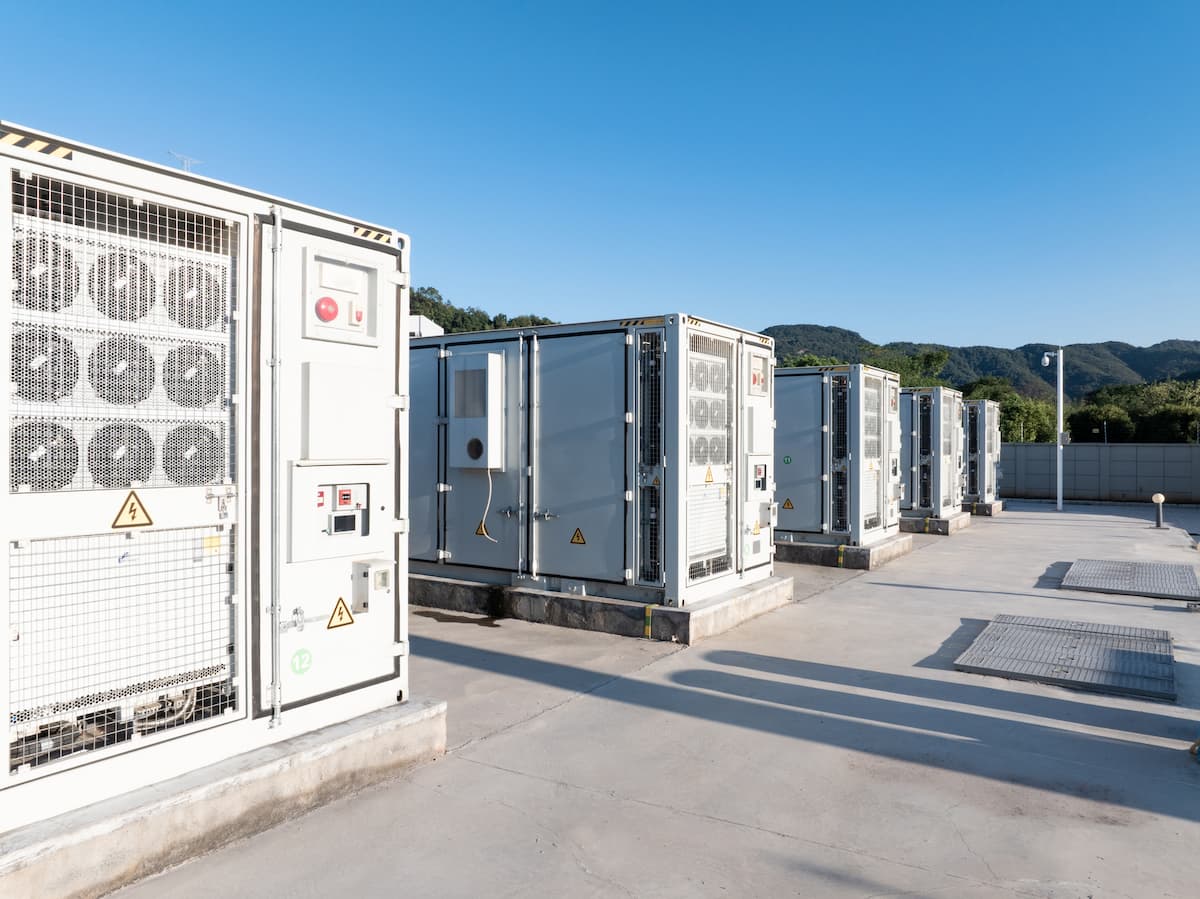
Small insights also add up. For example, monitoring temperatures across cooling systems, gearbox oil, generator slip rings, and hydraulics can flag issues before they start chipping away at revenue. For batteries, thermal analytics can even detect anomalies that might pose safety or warranty risks.
Shifting economics demand smarter solutions
As incentives decline and volatility increases, asset managers need smarter operational and market strategies to maintain competitive performance. Operators who can systematically find and capture those 1-2% improvements across a multi-gigawatt portfolio will outperform their competitors who are still managing reactively. These incremental gains could make all the difference between potentially adding millions in new revenue, profitability, valuation, and future investment or struggling to stay afloat.
The Unity renewable energy management suite provides the real-time insights, automation, and predictive modeling that can uncover performance gaps hiding in plain sight. With Unity’s end-to-end visibility and AI-powered forecasting, operators can earn more, spend less, and reduce risk by optimizing what they already have to pull ahead of the competition.
Watch for future posts in this series, as we explore additional strategies operators can use, including how to tackle the data challenge and leverage AI as a strategic advantage, to make 2026 a true turning point for your asset management strategy.
To explore these trends in more depth, access our on-demand webinar below.



.jpg)