BYOP: Who owns the software when you bring your own power?
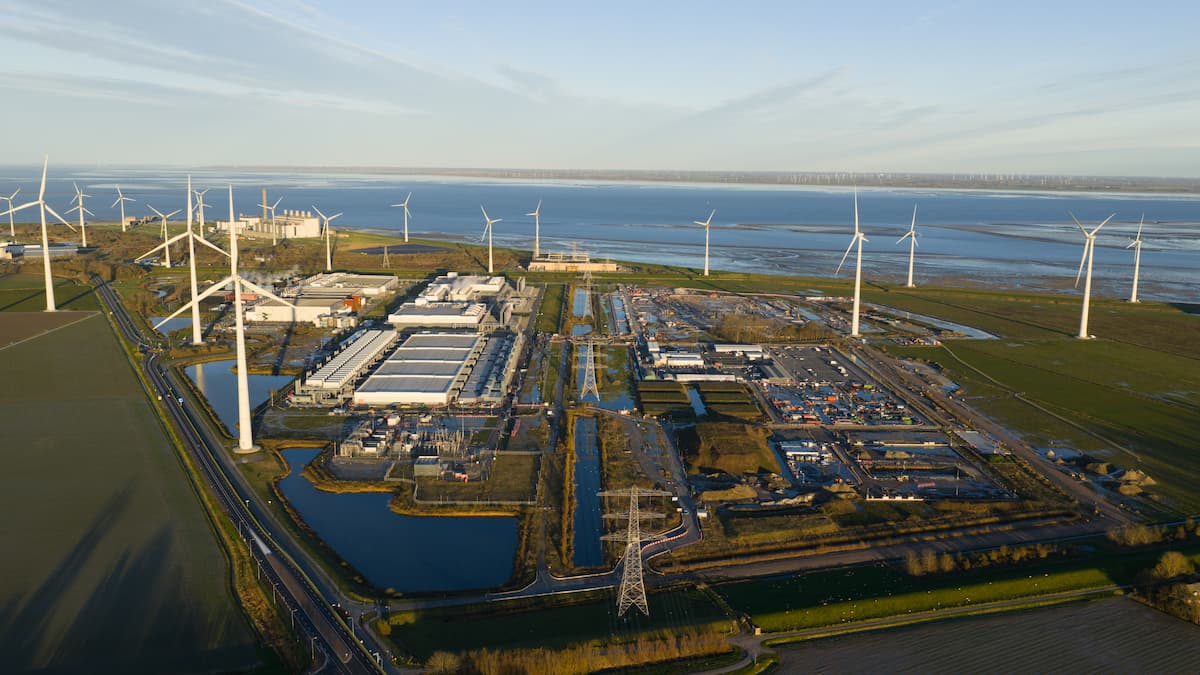
Bring Your Own Power (BYOP) is becoming an increasingly important energy strategy for large-scale AI infrastructure developers. In markets where grid interconnection can take years, building or acquiring dedicated generation capacity has become a way to bypass those bottlenecks.
Naturally, most people assume the hard part of this workaround is the power itself. Securing land, permitting the project, navigating interconnection queues, finding the right mix of resources and storage: those are real challenges, and they’re becoming more urgent as global data center demand is on track to double by 2030.
But there's a less obvious problem sitting underneath all of these that most teams don't encounter until the assets are already running. The organization that lives with the operational consequences of the energy management system (EMS) is not always the organization that chose it.
What role does an energy management system play for data centers?
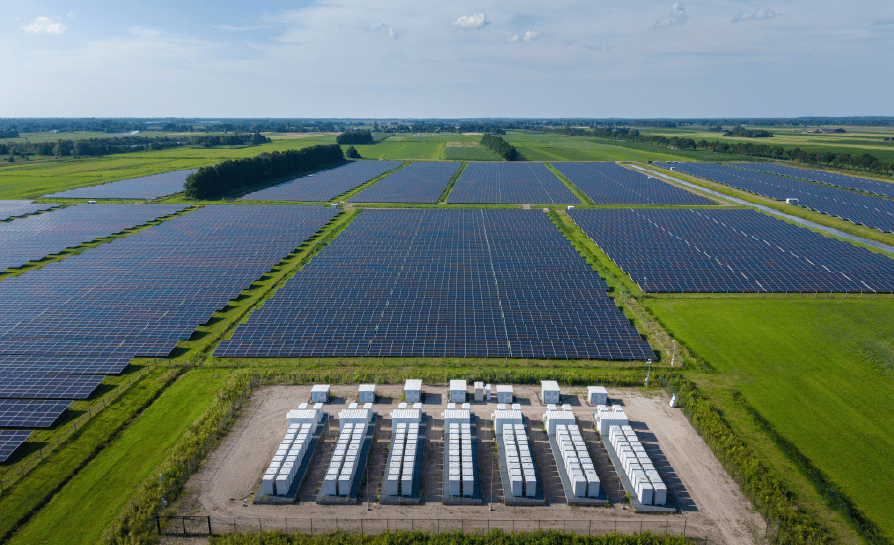
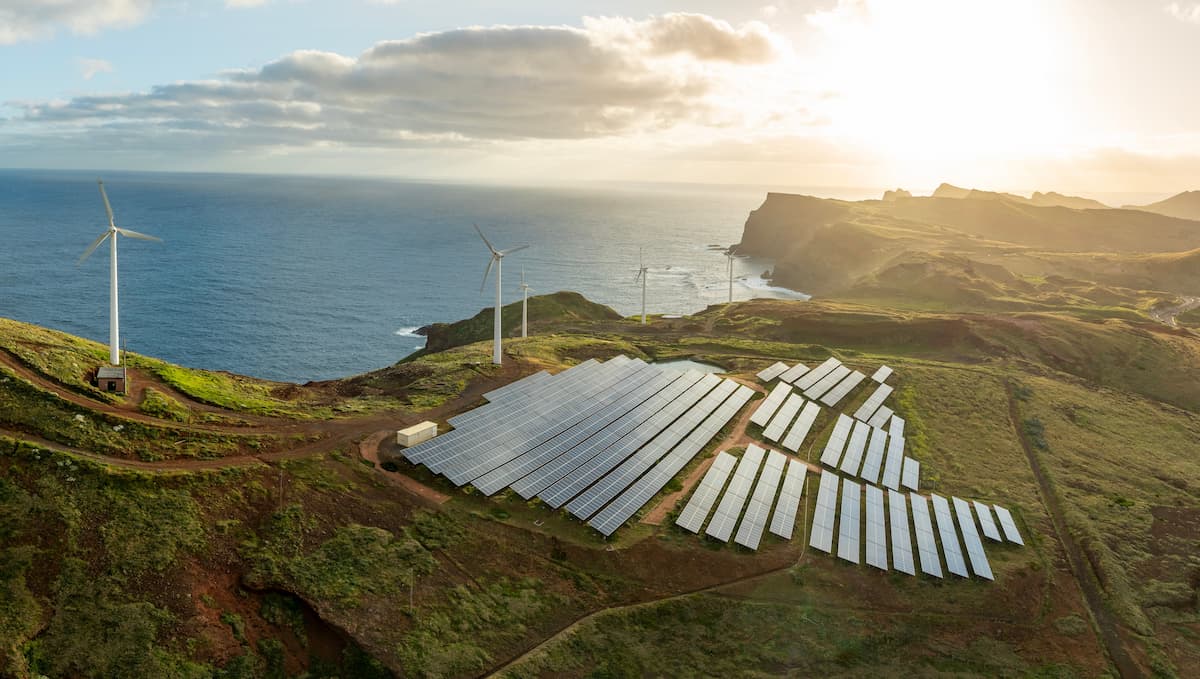
An energy management system is a combined hardware and software layer that sits between a generation asset and the load it serves (in this case, the round-the-clock power demand of the data center facility), making real-time decisions about how to coordinate and dispatch those resources to balance supply against demand. A modern data center BYOP setup typically involves a mix of assets, like solar, wind, natural gas, diesel backup generation, battery storage, flexible loads, and the grid connection itself. The EMS is what unifies them into a single operating model.
In a traditional utility context, the primary objectives are profit and grid stability. In a data center context, the objectives are different. The load is constant, mission-critical, and intolerant of gaps. Keeping the facility running without interruption is the only metric that matters.
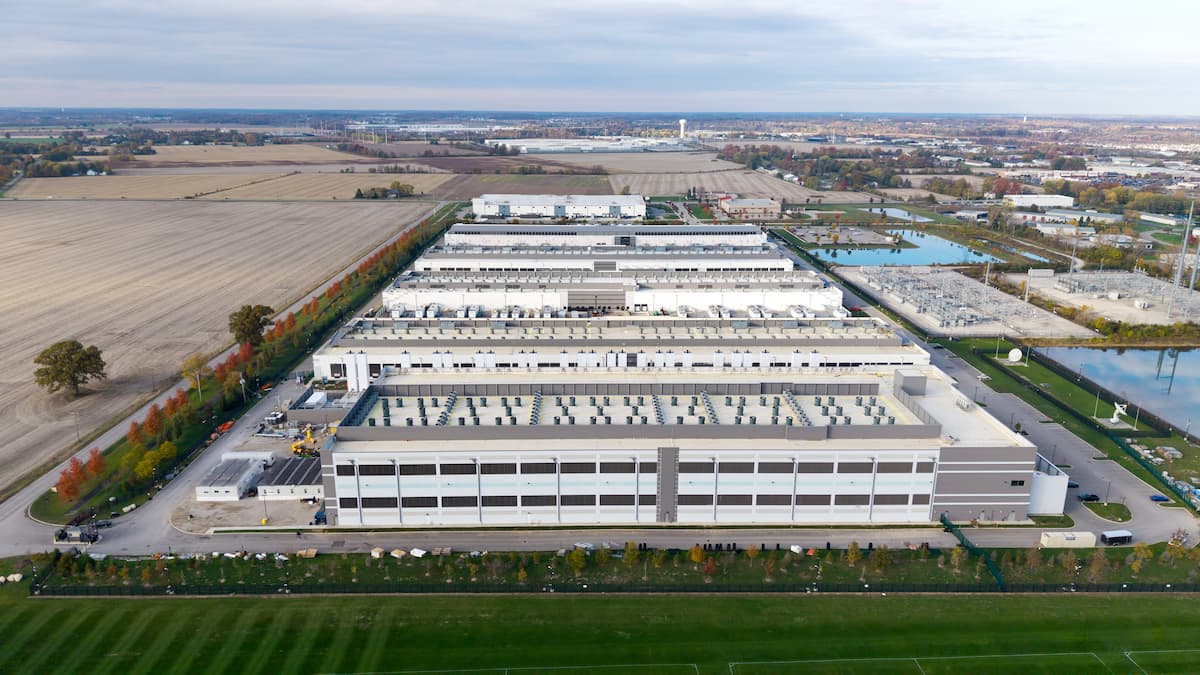
Why data centers are investing in energy storage and on-site generation
BYOP started as a workaround for severe grid interconnection delays. In major markets, queues can stretch for years, threatening deployment timelines and stranding billions of dollars in infrastructure. Building dedicated power generation was a way to move faster, and it worked. It’s now the default infrastructure model for the biggest players in the industry.
But as BYOP has matured from workaround to long-term strategy, the operational requirements have also matured with it. Even a one-off project to secure power for a single facility is a complex undertaking: coordinating multiple asset types in real time, managing unpredictable load spikes from AI workloads, and maintaining uptime for infrastructure that cannot go offline.
A global portfolio of dedicated generation assets across multiple sites and vendors compounds that complexity significantly.
How EMS selection happens — and where it goes wrong
In most BYOP projects, EMS selection happens through a layered process involving the hyperscaler, the developer, the EPC firm, equipment vendors, and operations teams. The hyperscaler typically approves high-level architecture, whereas the detailed hardware and software decisions are often made further down the chain, driven by delivery speed, cost, integration simplicity, and construction efficiency.
That model works well for what it's designed to do. EPCs are experts at managing enormous coordination risk across equipment vendors, grid requirements, and construction schedules. And the EMS decisions they make are grounded in legitimate priorities: integration certainty, warranty alignment, and single-vendor accountability during commissioning.
The challenge isn't that those priorities are wrong. It's that they tend to favor bundled, vendor-supplied software that doesn’t fully account for what comes after commissioning. In many projects, the EMS isn't selected as a standalone choice at all — it arrives bundled with the equipment, meaning the decision is often made implicitly, as a consequence of hardware selection, rather than deliberately as a strategic choice. But the EMS that's easiest to integrate at a specific site during construction isn't necessarily suited to run a multi-gigawatt generation portfolio for the next twenty years.
For hyperscalers acquiring existing generation assets rather than building them, the dynamic is different, but the outcome is the same. They inherit an EMS chosen by a previous owner, optimized for a different set of priorities, and potentially running across a portfolio of disconnected platforms built up over years. The software wasn't selected with a data center’s operational requirements in mind, and changing it after acquisition is expensive and disruptive.
Whether you build or buy, the EMS question follows you.
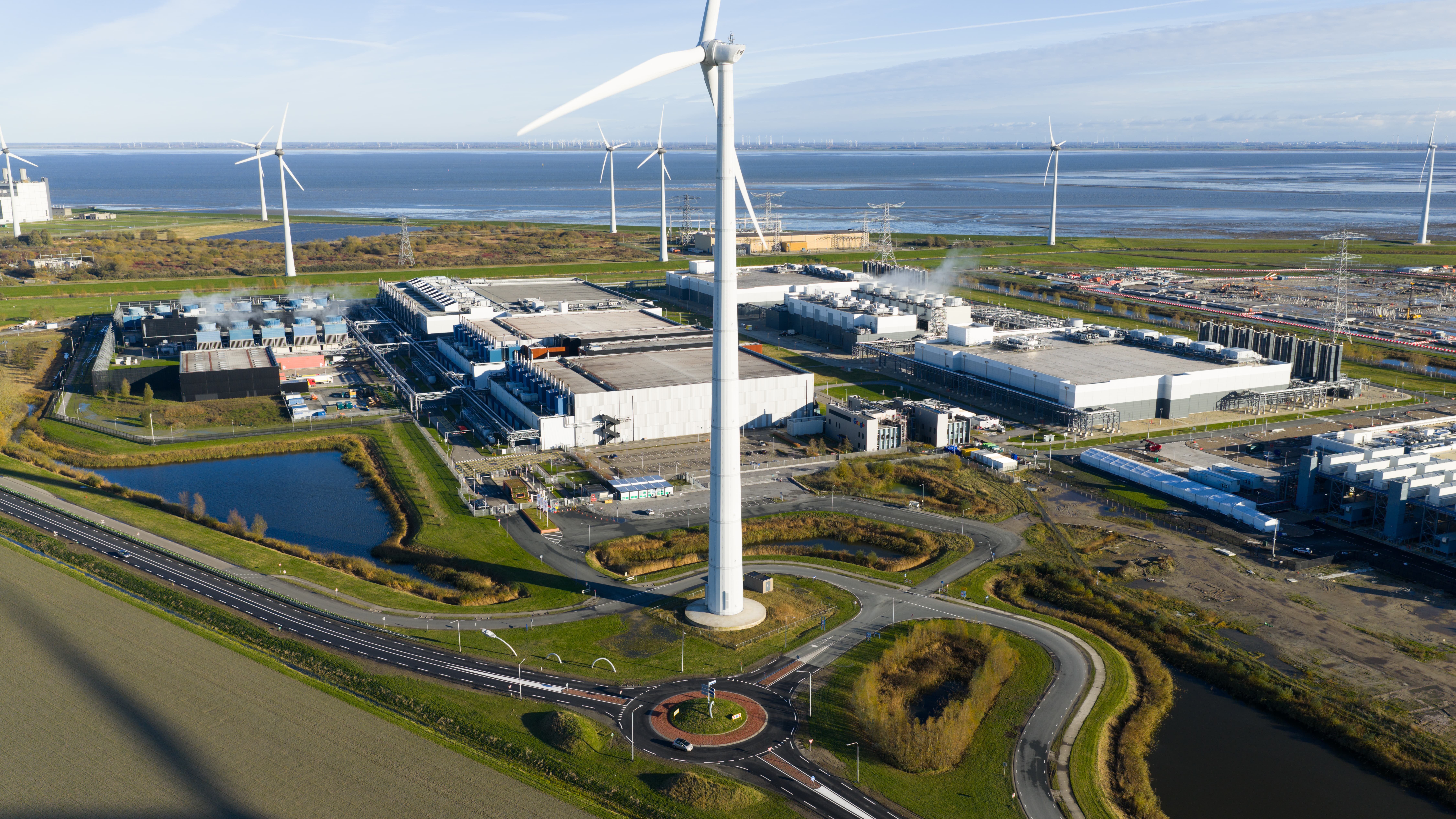
What your energy management system actually controls
The EMS isn't just a monitoring tool. It's the layer that decides what your generation portfolio does, what it optimizes for, and how it responds to load signals from the data center.
When an equipment manufacturer develops a proprietary EMS for their hardware, they naturally build it to serve their specific equipment. A battery vendor’s control system, for example, prioritizes long-term battery life with conservative charging cycles and settings tuned to protect the cells. But a data center operator needs that battery fully charged by early evening to cover peak load when production from other generation sources drops off, which means aggressive daytime charging.
Neither approach is wrong; they’re just optimized for different priorities. The problem is that the built-in software is biased toward protecting the equipment it came with, which can make it harder to use it in the way data center operators actually need.
That's one site. Scale it across a portfolio of ten or twenty BYOP deployments, each running multiple asset types with a different vendor's EMS, and the risks compound quickly:
Misaligned optimization. Each vendor's EMS optimizes for its own equipment, not your operational objectives. Across a global portfolio, that becomes a structural constraint on how efficiently you can run your energy infrastructure.
Fragmented data. Raw operational data flows to the vendor's cloud first. You get a reporting dashboard, not the underlying data, creating friction if you want to audit performance independently, feed data into your own AI systems, or understand fleet-wide performance across different types of hardware.
Technical debt. Every proprietary EMS added to the portfolio is another system to manage, another integration to maintain, another constraint on what you can change later. The cost of unwinding that fragmentation grows with every site added. This is vendor lock-in in its most practical form, and the time to address it is before the portfolio is built, not after.
What to look for in an energy management system for data centers
The most forward-looking hyperscalers are already treating EMS selection as a strategic decision, not a box to check off in the procurement process. Energy infrastructure teams, data center reliability leaders, and operational technology groups are becoming involved in the design process much earlier, setting requirements that go beyond commissioning into long-term operational scalability and business continuity.
Forward-looking EPCs are meeting them there, collaborating with the large technology companies and software providers earlier in the design phase to align construction efficiency with operational flexibility from day one.
The criteria for that evaluation are becoming clearer:
-
Can the EMS provide a single view across a multi-site, multi-vendor portfolio?
-
Can it optimize for your objectives, not the equipment vendor's?
-
Does it give you full ownership of your operational data?
Response time, regional coverage, and proven operational track record at scale matter in ways that never appear as a line item in a construction budget.
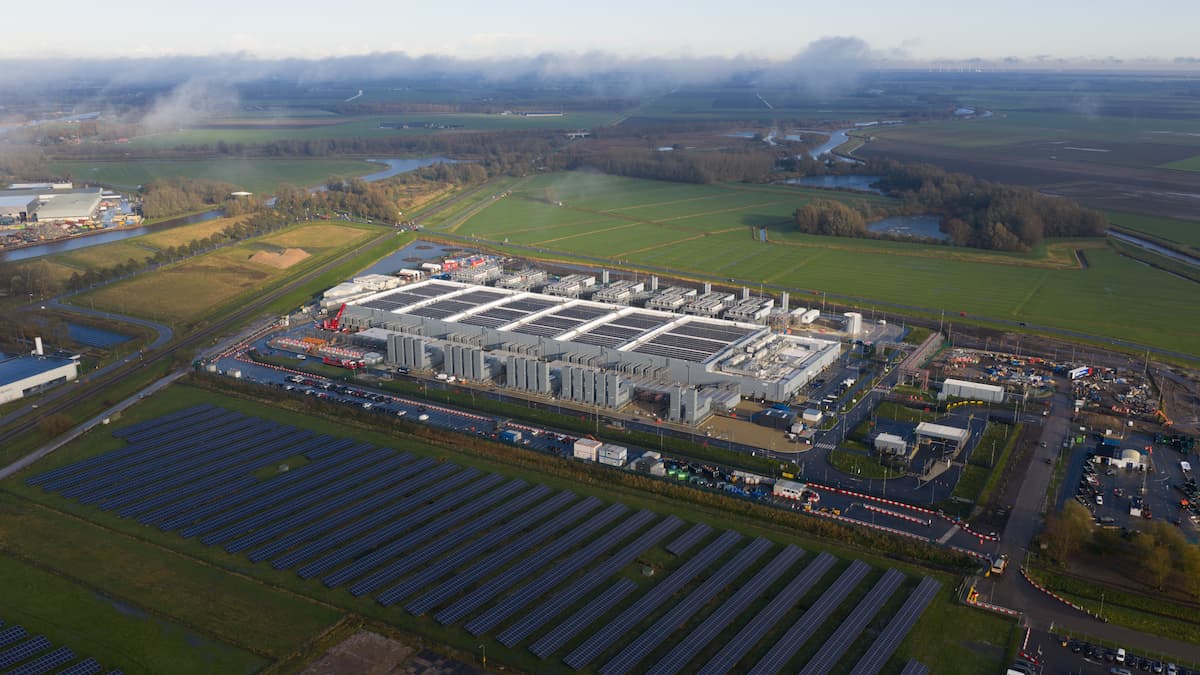
The question worth asking now
BYOP gives hyperscalers real control over their power supply. The software layer is where that control either holds or gradually becomes more costly and complex to maintain as your portfolio grows.
The teams best positioned for the next decade of BYOP are the ones who treated the EMS layer as a first-order decision, made deliberately, early, with the right stakeholders at the table, rather than inheriting whatever the last project happened to come with.
At Power Factors, we have spent years building Unity EMS for exactly this kind of operational demand: multi-site, multi-vendor generation portfolios where the control layer needs to serve the operator's objectives, not the equipment manufacturer's. We are starting to see that problem show up in BYOP at scale. We think it is worth talking about.
To learn more about our #1-ranked Energy Management System by Guidehouse Research, get in touch.
End-to-end solutions across the entire renewable asset lifecycle
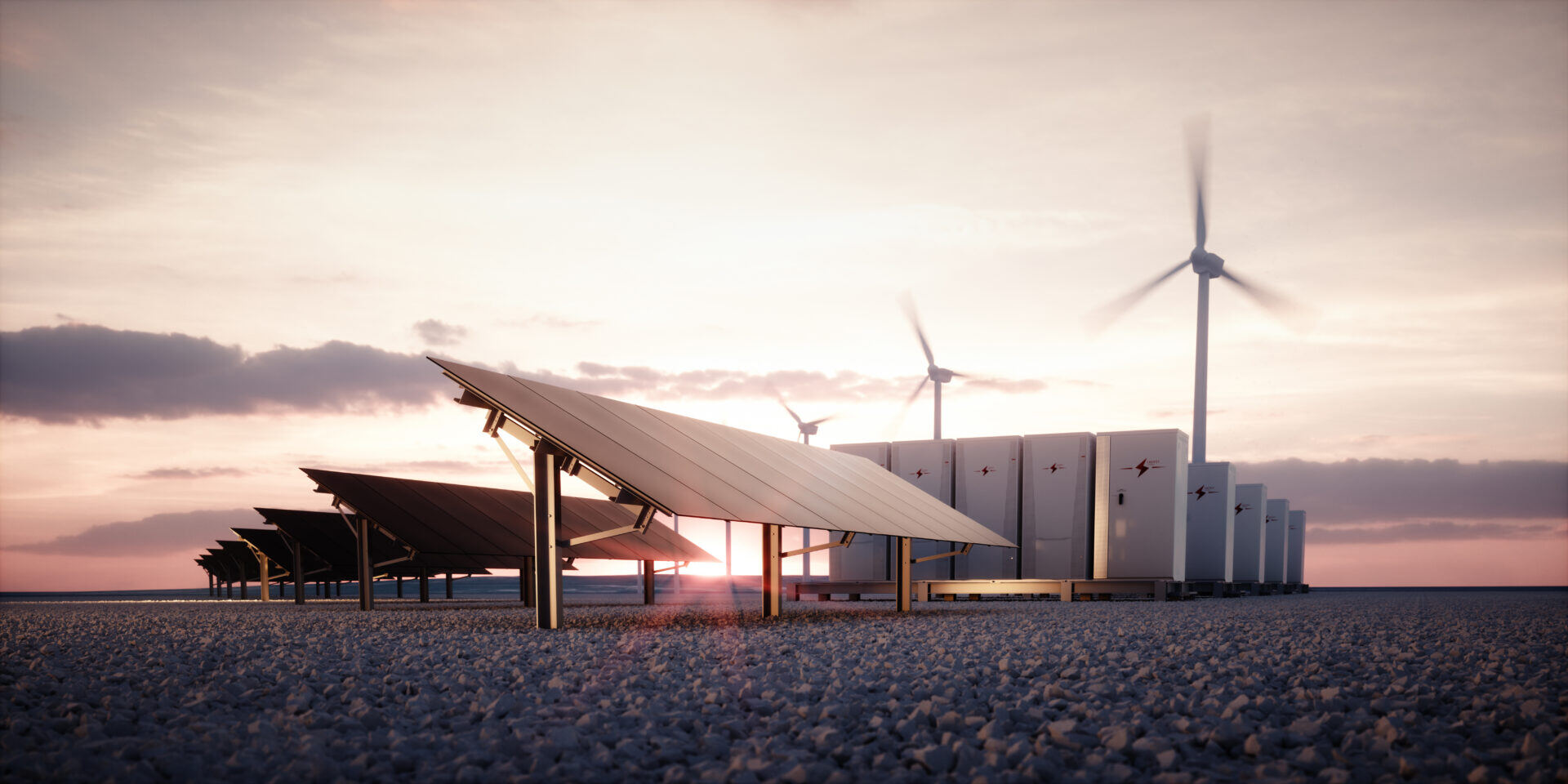


Optimize assets, maximize revenue, and grow your portfolio with Unity